Fleet Service Planned Before Problems Stack Up
Forklift Fleet Maintenance in Putnam for warehouses and commercial operations managing multiple lift trucks or pallet jacks
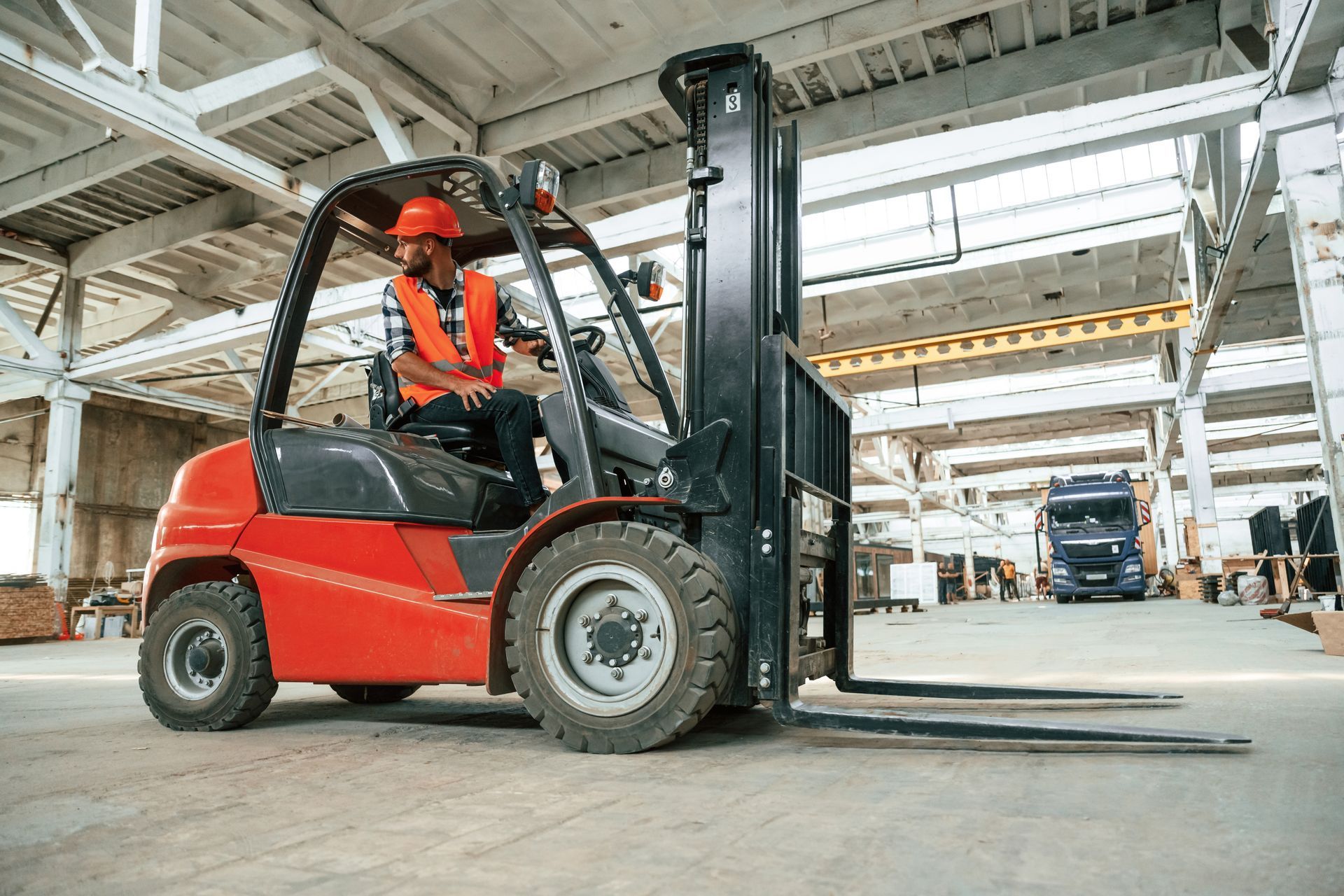
Managing a fleet of forklifts or powered pallet jacks without a structured maintenance schedule typically produces the same result: multiple units developing problems within the same window, leaving a facility short on equipment during the periods when it is needed most. Raise It Up LLC provides fleet maintenance designed around scheduled inspections, diagnostics, and repair planning that identifies developing issues before they pull several machines out of service simultaneously. This service targets warehouses, distribution operations, and commercial facilities in Putnam that depend on consistent equipment availability rather than reactive repairs.
Fleet maintenance differs from single-unit service in how it is structured. Rather than responding to each machine individually as it fails, a fleet maintenance plan establishes inspection intervals based on operating hours, load cycles, and the specific demands of your facility. Fluid checks, brake inspection, hydraulic system evaluation, and electrical diagnostics are completed on a defined schedule so that wear patterns are caught at the early stage—before a hydraulic seal leak becomes a cylinder replacement or a battery connection issue becomes a controller failure. In facilities where multiple shifts run on the same equipment, deferred maintenance on one unit often cascades into compounding repairs across the fleet.
Connect with Raise It Up LLC to discuss a maintenance schedule built around your fleet size, operating hours, and service requirements.
How Scheduled Maintenance Reduces Operational Disruption
The diagnostic portion of fleet maintenance goes beyond a visual walk-around. Hydraulic pressure testing, battery state-of-charge evaluation, brake adjustment measurement, and mast chain inspection each produce documented findings that drive a prioritized repair plan. That documentation matters because it converts equipment status from a best-guess assumption into a known condition—which allows maintenance to be scheduled around production rather than forced into it by failure.
Facilities that move from reactive to scheduled maintenance typically notice the change in predictability rather than a dramatic single event. Units that previously required emergency attention during peak shifts get serviced during planned downtime. Operators report equipment that feels consistent from shift to shift rather than noticeably degraded. When a repair is required, the scope is usually smaller because the underlying condition was caught earlier in its progression.
Fleet maintenance plans are built around what your operation actually requires, not a one-size approach. The number of units, the mix of electric and internal-combustion equipment, and the intensity of daily use all affect inspection frequency and the depth of each service visit. Raise It Up LLC coordinates service visits to minimize the number of units unavailable at any one time, which is especially relevant for smaller fleets where every machine contributes meaningfully to daily throughput.
What Fleet Operators Typically Ask
Facilities in Putnam managing multiple lift trucks often have practical questions about how fleet maintenance works and what it covers. The following addresses the issues that come up most often.
How is a fleet maintenance schedule structured for a mixed fleet of electric and propane forklifts?
Each equipment type has different service intervals and inspection points—electric units require battery and charging system evaluation while internal-combustion equipment requires fuel system, engine, and exhaust checks—so a mixed fleet plan separates those requirements while coordinating the overall schedule.
What does a fleet maintenance inspection actually check on each unit?
A thorough inspection covers hydraulic fluid levels and hose condition, brake function and pad wear, mast chain lubrication and elongation, battery connections or engine fluid levels depending on power type, and tire wear—each finding is documented for repair prioritization.
Why does deferred maintenance on one forklift affect the rest of the fleet?
When one unit is down for a major repair, other machines absorb additional operating hours to compensate, accelerating wear across the fleet and compressing the maintenance window that was already missed.
When should a Putnam warehouse consider moving from call-as-needed service to scheduled fleet maintenance?
Once a facility operates three or more units regularly, the probability that multiple machines develop problems in the same period increases significantly—that threshold is typically when a structured plan becomes more cost-effective than individual reactive calls.
How does maintenance planning account for seasonal workload changes in warehouse operations?
Service intervals can be adjusted to align with slower operational periods, ensuring heavier inspection and repair work happens when equipment demand is lower rather than during peak shipping or receiving cycles.
Raise It Up LLC works directly with fleet managers and facility operators to build maintenance plans that match how equipment is actually used—call (860) 576-4604 to start the conversation about what your fleet requires.